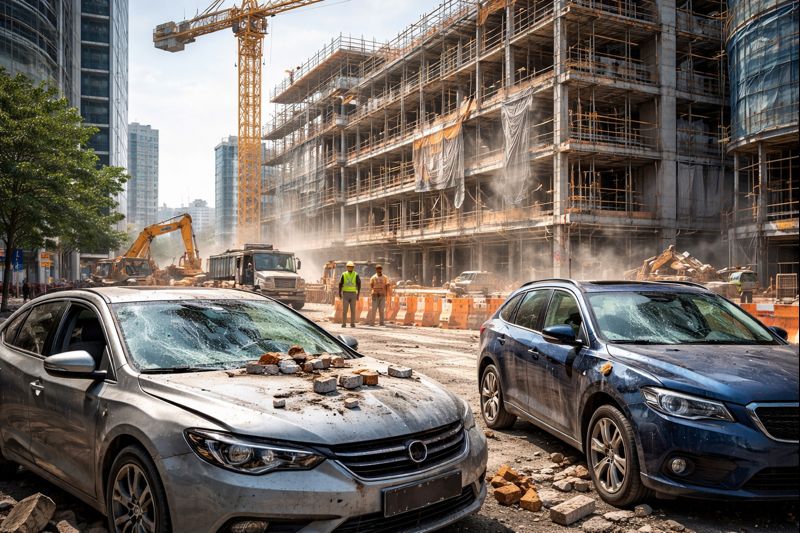
Parking structures and commercial parking lots are some of the most frequently overlooked elements in building design, yet they account for a significant portion of vehicle damage incidents every year. For AEC professionals, understanding how design decisions impact real-world vehicle safety is essential—especially in states like Michigan, where dense commercial zones, harsh winters, and tight urban layouts increase parking-related risks.
By incorporating parking risk analysis into the planning phase and leveraging modern AEC software, design teams can substantially reduce damage incidents, improve user safety, and limit insurance claims linked to poorly planned parking environments.
Why Parking Areas Are High-Risk for Vehicles
Parking environments naturally create risk due to the combination of slow-moving vehicles, limited visibility, obstacles, and pedestrian movement. In Michigan, these risks are amplified by snow accumulation, icy surfaces, and compact urban construction.
Common causes of parking-related vehicle damage include:
- Narrow turning spaces
- Poor lighting in enclosed garages
- Blind corners and obstructed views
- Tight parking stalls
- Inadequate signage or directional markings
- Poor drainage leading to icy patches
- Lack of protective barriers near walls and columns
These issues frequently lead drivers to file insurance claims for scrapes, dents, collisions with structural elements, or damage caused by another vehicle in the lot.
The AEC Impact: Better Design Prevents Vehicle Damage
AEC teams influence every major factor that determines how safe and functional a parking space is. Thoughtful design reduces accidents, minimizes confusion, and ensures a smoother flow of vehicles.
Key design strategies include:
1. Modeling Vehicle Movement Through AEC Software
Modern AEC tools allow teams to simulate:
- Turning radiuses in tight spaces
- Ramp inclines and visibility
- Pedestrian crosswalk patterns
- Entry and exit congestion
- Parking stall accessibility
These simulations reveal potential collision points and help designers refine layouts before construction begins.
2. Improving Visibility Through Lighting and Layout
Lighting placement, reflective materials, and column spacing play a crucial role in reducing low-speed accidents. Well-lit parking structures reduce incidents like side scrapes, bumper damage, and reverse-corner collisions.
3. Designing Adequate Clearances
Proper spacing reduces the likelihood of contact between vehicles and:
- Columns
- Walls
- Guardrails
- Ticket machines
- Concrete barriers
This is especially important in Michigan, where snowbanks and seasonal elements can shrink usable driving space.
4. Drainage and Surface Design for All Seasons
Poor drainage leads to water accumulation, ice formation, and skidding. Effective AEC planning incorporates:
- Correct slope direction
- Heated ramp systems
- Strategic drain placement
- Slip-resistant surface materials
These details reduce winter-related vehicle damage and help lower accident frequency.
How Parking Design Influences Auto Insurance Claims
Parking areas generate a large portion of minor auto insurance claims. Typical issues include:
- Scratching against walls or columns
- Door dings and side-panel dents
- Fender damage from tight turning angles
- Rear-end collisions in ramps or blind exits
- Damage from falling objects in older structures
Michigan drivers frequently rely on an auto insurance seller to navigate such claims. Better parking design directly reduces these incidents, benefiting both drivers and insurers while also lowering liability risks for property owners.
AEC Software as a Risk Mitigation Tool
Advanced AEC platforms allow teams to predict and eliminate hazards from the outset. Key capabilities include:
- Spatial simulation for different vehicle types
- Line-of-sight analysis for critical corners
- Detection of congestion zones
- Structural collision risk reports
- Emergency route modeling
- Pedestrian and vehicle separation planning
By integrating these tools early, teams create safer and more intuitive parking environments.
Michigan-Specific Considerations
Michigan’s weather, high-density urban centers, and older commercial parking structures increase risk factors. Heavy snow and freeze-thaw cycles create surface irregularities and visibility challenges. Incorporating seasonal planning into AEC models ensures better long-term safety and fewer insurance-related incidents for local drivers.
Connecting With Auto Insurance Insights
Understanding real-world claim trends helps AEC teams design better environments. According to USA Auto, a reliable auto insurance seller, parking-related damage is one of the most common causes of Michigan insurance claims. This emphasizes the need for improved parking layouts, better lighting, clearer signage, and smarter vehicle-flow modeling.
Conclusion
Parking structures and commercial lots may seem straightforward, but they’re actually complex environments where design decisions directly influence vehicle safety. Through careful planning, risk analysis, and intelligent use of AEC software, project teams can significantly reduce damage incidents and improve the overall user experience.
Better design leads to:
- Fewer collisions
- Reduced insurance claims
- Higher customer satisfaction
- Lower liability for property owners
- Long-term operational efficiency
For AEC professionals, integrating parking risk analysis is no longer optional—it’s a critical step toward building safer, more resilient commercial environments.